Turmeric
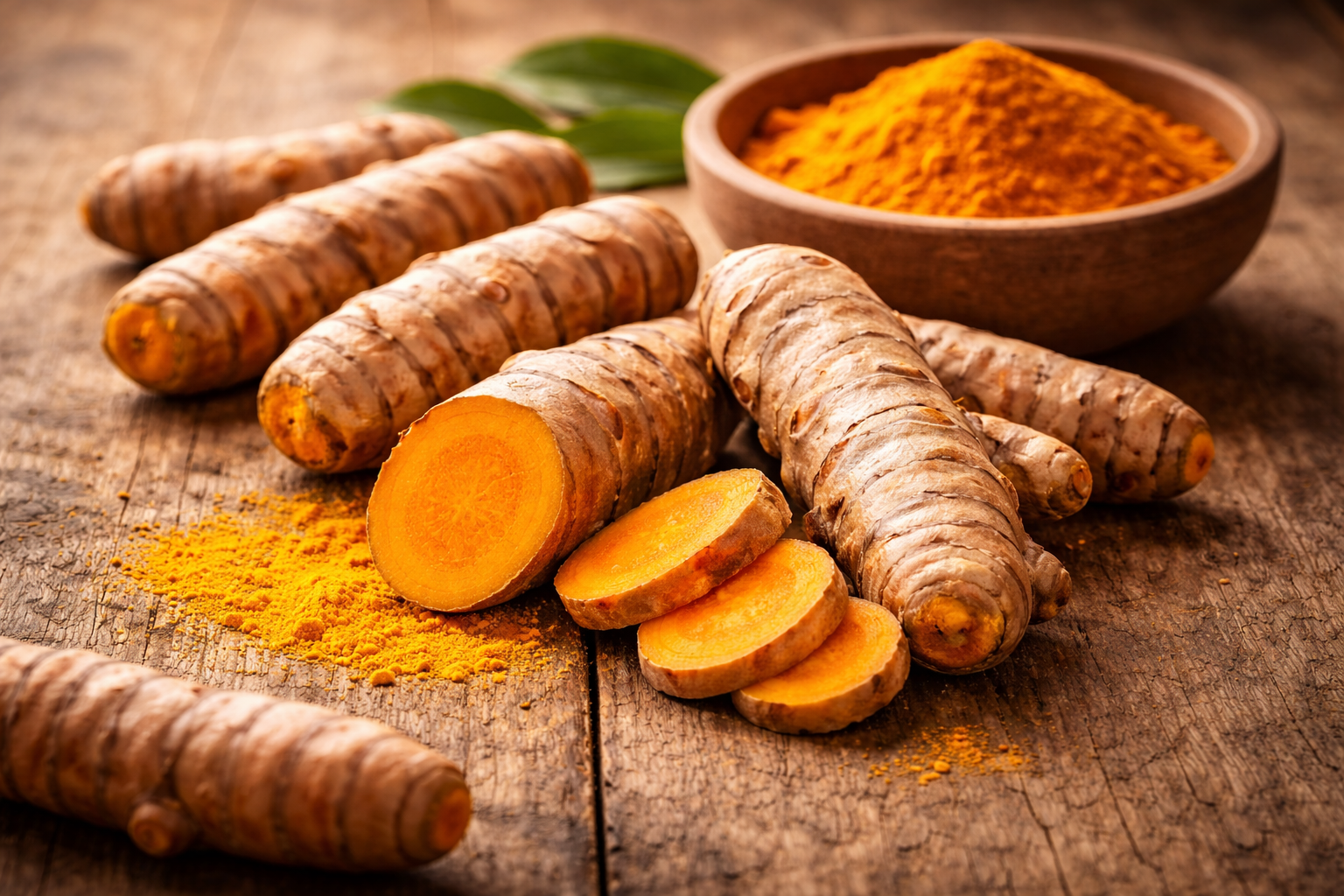
Turmeric (Curcuma longa)
Turmeric is one of the most widely recognized botanical plants used in traditional wellness systems around the world. Known for its deep golden color and earthy flavor, turmeric has been used for centuries in culinary traditions, herbal preparations, and cultural wellness practices.
The plant belongs to the ginger family and is native to South Asia, where its underground rhizome has long been valued both as a spice and as a traditional herbal ingredient. Today, turmeric continues to be widely studied by researchers exploring the plant's natural compounds and their potential roles in supporting general wellness.
The Turmeric Plant
Turmeric comes from the plant Curcuma longa, a tropical species that produces a thick underground rhizome similar in appearance to ginger. When harvested, the rhizome reveals a vibrant orange-yellow interior that has been used for centuries as a natural coloring agent, culinary spice, and herbal preparation.
After harvesting, turmeric roots are often boiled, dried, and ground into the familiar golden powder commonly used in cooking. In traditional herbal systems, the fresh root may also be used in teas, pastes, and other preparations.
Because of its distinctive color and flavor, turmeric has played an important role in both cultural cuisine and botanical traditions across many regions of the world.
Plant Identification
Turmeric is a perennial plant that grows from an underground rhizome. The plant produces large green leaves that emerge from the soil in upright clusters and can reach heights of approximately three to four feet under favorable growing conditions.
The leaves are broad and smooth with a lance-like shape, while the underground rhizome develops thick branching structures that store nutrients for the plant. When cut open, the rhizome reveals its characteristic bright orange interior.
Turmeric plants may also produce pale yellow or white flowers surrounded by green bracts. These flowers typically appear in warm tropical climates where the plant grows naturally.
Native Habitat and Growing Regions
Turmeric is believed to have originated in South Asia, particularly in regions of India where it has been cultivated for thousands of years. The plant thrives in warm tropical climates with rich soil and consistent rainfall.
Today turmeric is grown in many parts of the world including India, Southeast Asia, China, Africa, and parts of Central America. It is commonly cultivated in regions where temperatures remain warm throughout the year.
Because turmeric requires warm temperatures and moist soil conditions, it is typically grown in tropical and subtropical environments.
Traditional Uses
Turmeric has a long history of use in traditional systems such as Ayurveda and other herbal traditions. In many of these systems, turmeric has been valued for its warming qualities and its role in supporting balance within the body.
Historically, turmeric has been used in a variety of ways including culinary preparations, herbal tonics, and traditional wellness practices. In some cultures, turmeric pastes have also been used in topical applications as part of traditional skin care rituals.
These traditional uses reflect centuries of observation and experience with the plant across different regions and cultures.
Natural Plant Compounds
Modern scientific research has explored the natural compounds present in turmeric. One of the most studied compounds is curcumin, a polyphenol responsible for much of turmeric's distinctive color.
Curcumin and other plant compounds found in turmeric have been examined by researchers studying antioxidants, cellular responses, and general biological interactions with plant-based compounds.
Turmeric also contains a variety of other naturally occurring compounds including essential oils and plant antioxidants, which together contribute to the plant's complex chemical profile.
Traditional Preparations
Across many cultures, turmeric has been prepared in a variety of traditional ways. The dried rhizome is often ground into a powder that can be added to foods, herbal mixtures, or warm beverages.
Fresh turmeric root may also be grated or sliced and incorporated into teas, broths, or culinary dishes. In some traditions, turmeric pastes are prepared by mixing the powdered root with water or oils for topical use.
These preparations illustrate how the plant has been incorporated into both culinary traditions and broader herbal practices throughout history.
Turmeric in Culinary Traditions
Beyond herbal traditions, turmeric has long been an important ingredient in global cuisine. It is commonly used in spice blends, soups, rice dishes, and sauces. Turmeric contributes both color and flavor to many dishes, making it a staple in kitchens throughout Asia, the Middle East, and many other regions.
In culinary contexts, turmeric is often combined with other spices such as ginger, garlic, cumin, and black pepper. These combinations create rich flavors while also reflecting the traditional blending of herbs and spices in cultural cooking practices.
Turmeric and Wellness Awareness
In recent years, turmeric has become widely discussed in modern wellness conversations. Many individuals explore turmeric as part of broader lifestyle approaches that include balanced nutrition, regular movement, stress awareness, and natural plant knowledge.
While turmeric alone is not considered a cure for complex health concerns, it continues to attract attention from both traditional herbalists and modern researchers interested in plant-based compounds.
Understanding turmeric within the context of traditional knowledge and modern research can provide helpful perspective for individuals exploring botanical wellness.
Safety Notes
Like many plants used in traditional herbal systems, turmeric contains a variety of naturally occurring compounds. Educational botanical resources often encourage individuals to learn about plants thoroughly and approach herbal knowledge responsibly.
Different forms of turmeric preparations may vary depending on cultural practices and preparation methods. Individuals exploring botanical plants are encouraged to seek reliable information when learning about traditional plant uses.
Learning About Medicinal Plants
Studying plants like turmeric offers a gateway into the broader world of herbal traditions. Many medicinal plants have long histories of use that connect cultural practices, environmental awareness, and nutritional knowledge.
Learning about these plants encourages curiosity about the natural world and how botanical knowledge has been passed down through generations. By exploring herbs thoughtfully and responsibly, individuals can develop a deeper understanding of traditional plant wisdom.
For many people beginning their journey into herbal education, turmeric is often one of the first plants encountered due to its long history, distinctive characteristics, and widespread cultural significance.